The Great Discussion: Sugar Beet Vs Sugar Cane - Which Is the Superior Choice for Sugar?
The dispute over sugar beet versus sugar cane as the preferred sugar entails a number of vital aspects. Each offers unique benefits and difficulties pertaining to manufacturing, flavor, and health and wellness effects. While sugar beet may attract those focusing on sustainability, sugar cane has its very own cultural and cooking importance. As consumers come to be much more aware of their selections, the concern stays: which sweetener truly stands apart in today's market?
The Beginnings of Sugar Beet and Sugar Cane
Sugar cane has been grown for thousands of years, mainly in tropical regions, sugar beet arised as a significant option in cooler environments throughout the 18th century. Sugar cane, belonging to Southeast Asia, was initial tamed around 8000 BCE and spread around the world via trade and expedition. Its high sucrose material made it a useful crop, resulting in extensive haciendas in regions like the Caribbean and Brazil.
On the other hand, sugar beet was initial grown in the Mediterranean around the 18th century, specifically getting grip in Europe as a reaction to sugar cane shortages. The plant grows in temperate environments, making it ideal for regions with cooler weather condition. The discovery that sugar could be drawn out from beet roots changed sweetener manufacturing, particularly during the Napoleonic Wars when profession constraints limited cane sugar access. The rise of sugar beet growing marked a turning point in the history of sweeteners, offering a local resource for numerous nations.
Production Procedures: From Field to Sweetener
The production procedures of sugar beet and sugar cane disclose significant differences in cultivation methods, harvesting techniques, and improvement stages. Comprehending these nuances is vital for valuing how each crop contributes to the general sugar market. This contrast highlights the unique features and challenges connected with both sources of sweetness.
Growing Strategies Comparison
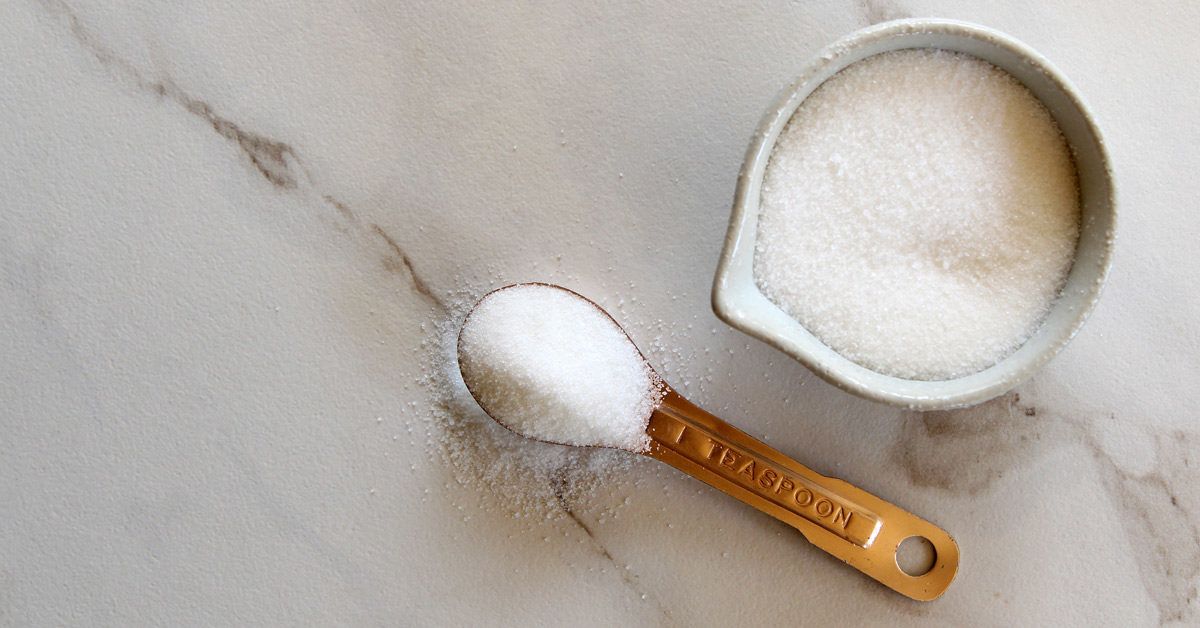
Growing strategies for sugar beet and sugar cane reveal unique methods that influence their manufacturing processes, from field prep work to last sweetener extraction. Sugar beet cultivation typically entails raking and traumatic to create a great seedbed, followed by seeding in rows to assist in growth. This crop benefits from cooler climates and is commonly planted in springtime. On the other hand, sugar cane is normally grown in furrows with pre-sprouted cane pieces, requiring a cozy, exotic environment for optimal development. Cane fields are often laid out to take care of water successfully, given its demand for significant irrigation. Both crops are taken care of with specific fertilizing and bug control practices tailored to their growth environments, affecting yield quality and effectiveness in sweetener removal.
Gathering Techniques Explained
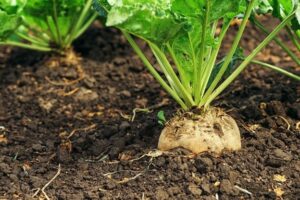
Effective harvesting approaches for sugar beet and sugar cane play an important duty in ensuring optimal yield and top quality of the end product. Sugar beet harvesting commonly utilizes mechanized origin harvesters, which efficiently root out the beetroots from the soil and different them from the vegetation. This approach decreases damage to the beetroots and minimizes labor costs. In comparison, sugar cane harvesting may utilize either manual work or equipment, depending on the area and scale of production. Mechanical harvesters reduced the cane at the base and often strip away the fallen leaves, enhancing the procedure for bigger fields. Both techniques require careful timing to ensure the plants are harvested at peak sweet taste, influencing the top quality of the last sugar item.
Improvement Process Distinctions
While both sugar beet and sugar cane undergo rigorous refinement procedures to change their raw types right into usable sugar, the approaches utilized differ substantially. Sugar beet improvement starts with cleaning and cutting the beets right into slim cossettes, complied with by diffusion, where warm water removes sucrose. The resulting juice is after that detoxified, focused, and crystallized. On the other hand, sugar cane handling includes crushing the stalks to extract juice, which is then cleared up using lime and warm to get rid of contaminations. The cane juice is evaporated to develop syrup prior to condensation. Ultimately, while both processes intend to produce white sugar, the distinct strategies highlight the unique features of each source and their implications for flavor and pureness in the end product.
Nutritional Profiles: What's in Your Sweetener?
The dietary accounts of sugar beet and sugar cane existing distinctive differences worth checking out. This comparison consists of facets such as caloric web content, mineral and vitamin existence, and variations in glycemic index. Comprehending these factors can offer understandings into just how each sweetener might impact general health and wellness.
Caloric Web Content Contrast
Recognizing the caloric web content of sugar beet and sugar cane is crucial for those conscious of their nutritional choices. Both sweeteners largely are composed of sucrose, contributing a similar calorie worth. Typically, sugar beet has roughly 387 calories per 100 grams, while sugar cane has about 390 calories per the same quantity. The mild difference in calorie material may not significantly effect most diet regimens; nevertheless, it is amazing for those carefully checking their calorie intake. Furthermore, both sugar sources supply energy yet do not have crucial nutrients, making them primarily resources of vacant calories. Consequently, individuals seeking much healthier options may want to think about these aspects when selecting in between sugar beet and sugar cane as their liked sweetener.

Mineral and Vitamin Content
Caloric material provides only a part of the photo when evaluating sugar beet and sugar cane. Both resources of sugar vary substantially in their mineral and vitamin profiles. Sugar beetroots are incredibly rich in crucial nutrients, including potassium, magnesium, and iron. They also contain percentages of vitamins such as B6 and folate, adding to their nutritional value. In comparison, sugar cane uses a various set of benefits, having calcium, phosphorus, and traces of B vitamins. While neither choice is a considerable resource of vitamins and minerals contrasted to entire foods, sugar beets might have a mild edge because of their greater mineral material. Inevitably, consumers looking for nutritional take advantage of sugar ought to think about these distinctions in profiles.
Glycemic Index Distinctions
Glycemic index plays a crucial role in examining exactly how various sugar affect blood glucose degrees. Sugar beet and sugar cane exhibit noteworthy differences in their glycemic responses. Usually, sugar beet has a lower glycemic index compared to sugar cane, leading to a slower and steadier surge in blood sugar degrees after intake. This attribute might make sugar beet a more effective alternative for people taking care of diabetes or those seeking to preserve secure energy levels. On the other hand, sugar cane often tends to cause a much more rapid spike in blood sugar, which can cause quicker power crashes. Recognizing these differences is substantial for consumers aiming to make informed dietary selections pertaining to sweeteners and their impact on general health and wellness.
Environmental Impact: Sustainability Factors To Consider
While both sugar beet and sugar cane are crucial sources of sugar, their ecological impacts and sustainability considerations differ considerably. Sugar beetroots, primarily grown in pleasant regions, normally call for less water and can be cultivated in varied environments. They likewise take advantage of crop rotation techniques, which boost dirt health and decrease the need for synthetic fertilizers. However, extensive farming of sugar beetroots can result in soil depletion and chemical usage.
In comparison, sugar cane prospers in tropical climates and frequently necessitates substantial water sources for irrigation (Sugar beet vs sugar cane). The monoculture nature of sugar cane farming can exacerbate dirt erosion and biodiversity loss. In addition, the burning of cane areas before harvest launches carbon emissions and adds to air contamination. Both plants face obstacles associated to environment adjustment, but their varying growing practices exceptionally affect their overall sustainability profiles. Consequently, the selection between sugar beet and sugar cane entails considering these environmental effects very carefully
Taste and Culinary Utilizes: Which Sweetener Reigns Supreme?
The choice between sugar beet and sugar cane extends past environmental considerations to encompass taste and culinary applications. Sugar beet, commonly regarded as having a somewhat different flavor account, tends to be less wonderful than sugar cane. This refined distinction can affect its usage in recipes, specifically in baked goods where a neutral sweetness is desired.
On the other hand, sugar cane is celebrated for its unique, rich, and extra complicated taste, making it a preferred option for drinks and treats - sites Sugar beet vs sugar cane. Its all-natural molasses material can enhance the deepness of flavors in various recipes
In cooking, sugar cane's flexibility beams with in sauces, lusters, and confections, while sugar beet is typically discovered in processed foods and sugar that site like granulated sugar. Ultimately, the decision between the 2 sweeteners commonly pivots on individual taste preferences and particular cooking applications, with each offering special advantages in the cooking area.
Health Effects: Sugar Beet Vs Sugar Cane
Both sugar beet and sugar cane have unique health and wellness implications that can affect customer selections. Sugar beet vs sugar cane. Sugar beet is frequently concerned for its greater fiber content, which can help gastrointestinal health. Furthermore, it has specific antioxidants that may contribute to general wellness. On the other hand, sugar cane is rich in nutrients such as calcium, potassium, and magnesium, providing some mineral advantages
However, both sources primarily include sucrose, which can cause similar wellness issues when eaten exceedingly, such as excessive weight, diabetic issues, and heart disease. The processing methods additionally differ; sugar beet is typically fine-tuned extra intensively, potentially resulting in a loss of certain nutrients. Consumers concerned about additives may favor sugar cane, as it typically undertakes much less processing. Eventually, recognizing these health ramifications can lead people toward making notified choices concerning their sugar options.
Customer Preferences: Fads and Insights
Consumer choices for sugar have actually evolved significantly in current years, affected by health and wellness trends, environmental worries, and dietary selections. Boosted recognition of the unfavorable wellness effects connected with too much sugar intake has actually led numerous customers to seek alternatives. This shift has actually motivated a growing passion in all-natural sugar, with sugar beet and sugar cane being at the leading edge of discussions.
Study shows that customers are progressively preferring sugar beet as a result of its regarded ecological advantages, as it is typically grown closer to processing plants, minimizing transport discharges. Alternatively, sugar cane is often related to exotic regions and may lug understandings of sustainability challenges.
Regularly Asked Inquiries
Exactly How Do Sugar Beet and Sugar Cane Affect Blood Glucose Degrees?
Sugar beet and sugar cane both contain sucrose, which can boost blood sugar level levels. The influence mostly relies on private metabolic rate and usage amounts, however both sources contribute likewise to blood sugar actions in many instances.
Which Sugar Is Better for Cooking and Food preparation?
When examining sugar for baking and food preparation, one need to take into consideration texture, flavor, and moisture this hyperlink retention. Sugar beet and sugar cane both offer special top qualities, with sugar cane frequently chosen for its richer taste profile in culinary applications.
Can Sugar Beet or Cane Be Utilized in Vegan Diets?
Both sugar beet and sugar cane can be made use of in vegan diets. They are plant-derived sweeteners, making them ideal for people seeking vegan-friendly choices without pet items, making certain moral selections in their culinary practices.
What Are the Historic Uses of Sugar Beet and Cane?
Historically, sugar beet and cane functioned as crucial sources of sweet taste, with cane cultivated in exotic areas and beet in warm zones. Both have been indispensable to different cultures, economic climates, and cooking customs throughout background.
Are There Any Alternatives to Sugar Beet and Cane?
Alternatives to sugar beet and cane consist of agave nectar, honey, maple syrup, and sweetening agents like aspartame and sucralose. These substitutes offer differing flavors and wellness advantages, appealing to varied dietary preferences and restrictions.